Cross-Chain Bridges: Routes, Assets and Settlement
The source chain debited your funds, but the destination balance has not changed. Check the original transfer before clicking again. A bridge adds a settlement process between those two events, and choosing one starts with understanding the asset you will receive.
Bridge failures can lose all affected assets. Refunds and arrival times are not guaranteed. This is educational information; see the disclaimer.
Is a bridge safe? Start with who can release assets and upgrade contracts
How risky a bridge route is comes down to three powers and who holds them: who can release assets, who can upgrade the contracts, and who verifies messages from the source chain.
Also check whether delivery on the destination chain depends on liquidity or another party. An audit describes a scope and version; it cannot prove the absence of later bugs or configuration risks.
Three mechanisms and their conditions
Lock and mint
A common design holds an asset on the source chain and issues a representation on the destination. The return path burns or returns that representation before releasing reserves. Custody, message validation and minting permissions matter. A familiar token name does not establish redeemability.
Liquidity and relayer-funded transfers
A pool or relayer may supply destination assets first and settle later. This can reduce the user's wait but introduces liquidity, execution and settlement conditions. Besides the pool itself, these routes can pass through approvals, swaps and other contracts, and any of those steps can fail.
Native network bridges
A native bridge is closely linked to the network's deposit, withdrawal and proof mechanisms. Native bridges have their own contracts and admin permissions too, and they can fail as well.
The OP Stack withdrawal specification includes proving and a challenge period, and a withdrawal waits for those stages to finish. The sequence differs by direction and network.
How to compare the five entry points
The five products below work in different ways. For each one, check whether your asset and direction are offered at all, then compare net output and recovery rules. What you actually receive is whatever the quote shows when you open the route, not a figure from someone else's transfer. If a bridge doesn't list the direction and token you need, try another one.
Across
Across's fee documentation explains protocol and relayer costs. Include the source transaction fee when reading a quote.
Stargate
With Stargate, the thing to watch is the output asset. Its route documentation describes different asset paths, including representations such as USDC.e, so read the mode name and final token on the quote before you submit.
Hop
Hop's explanation includes Bonder-funded liquidity, hTokens and conversion. The hToken is a waypoint, not the finish line: the transfer is done once the conversion settles and the target token, net of fees, is in your wallet.
Synapse
The Synapse bridge page only lists routes after you pick a direction and token, and one direction can return more than one. When several appear side by side, compare their output and the protocols each one passes through; a chain-count headline won't settle it.
OKX Wallet's cross-chain entry point
A wallet aggregator may offer multiple underlying routes. Inspect the selected bridge, tokens on both chains, fees, spender and recipient. The aggregator only lines the routes up; safety still comes down to the bridge you pick, and none of this is the same as withdrawing directly from an exchange.
X Layer: distinguish a withdrawal from bridging
The official X Layer page identifies OKB as its native gas token. Verify current wallet, app and asset support.
If funds are still on an exchange and its withdrawal page supports the asset on X Layer, a direct withdrawal can avoid first sending to another chain and then bridging. It is still a platform-processed on-chain transfer, with minimums, security checks and current fees; it is not an internal transfer.
If funds are already on another network, verify a bridge route separately and plan for destination gas. Never enter a recovery phrase into a website to obtain fee tokens.
Read the whole route
| Check | Look for | Do not assume |
|---|---|---|
| Input and output | Networks, contracts, amounts and recipient | A matching symbol is accepted by your destination platform |
| Cost | Source gas, bridge and swap fees, destination costs | A displayed bridge fee is the entire expense |
| Timing | Estimate, settlement stages and waiting conditions | A small transfer predicts every larger one |
| Recovery | Official tracking, claim or refund instructions | Every failure refunds automatically within a day |
| Permissions | Token, spender, amount and signature expiry | An audit makes every requested allowance safe |
Do you need a bridge at all?
If the funds are still on an exchange, first check whether it supports a direct withdrawal to the target network. If the funds are already on-chain, check a currently available route and the final asset contract. If you need the funds on the destination chain by a set time, leave room for protocol waits and for things going wrong.
Check before and after submitting
- Find the exact network and token contract accepted by the destination app or platform.
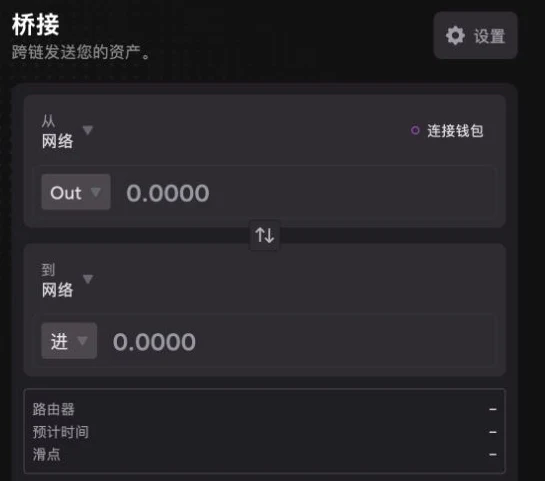
- Open a verified bridge page and select source, destination, asset and recipient.
- Use a small amount that meets minimums, and read the complete quote and expiry.
- Inspect permissions and submission requests, then record the source transaction hash and tracking link.
- After source success, continue tracking destination execution; use only official instructions for any claim step.
- Verify the destination contract, amount and recipient on its explorer before continuing.
Run this sequence on your own transfer, and record the cost and the timing it actually produces.
Five avoidable mistakes
No destination gas
Check the fee token and a supported way to obtain it beforehand. Gas drops or sponsorship are conditional features, not available on every route.
Trusting the USDC label
Take the contract address you received on the destination chain and match it against the contracts your receiving platform lists before depositing. Don't send it over to see what happens.
Submitting again when the interface stalls
Inspect the original transaction. A second deposit can create a second independent transfer; it does not push the first one through.
Following a recovery link from a direct message
Find support and status from a verified official page. Never provide recovery credentials or pay an “unlocking deposit”.
Expecting a universal refund deadline
Refund and claim rules depend on protocol and status. Across's refund explanation, for example, includes settlement and challenge stages. How long a refund takes is whatever each bridge's own documentation says.
FAQ
Why are bridges so hackable?
They combine cross-chain verification, asset management and execution, with differing contract, validator, administrator and relayer dependencies. They do not all share one failure mode.
When I bridge USDC, do I get real USDC at the destination?
Not necessarily issuer-native USDC. It may be a bridged representation. Verify the destination contract and receiving platform's support instead of relying on the name.
What is X Layer and is it worth using?
It is a network in the OKX ecosystem with OKB as its gas token. Suitability depends on current app, asset and transfer support.
How long does a bridge take?
Timing depends on direction, amount, liquidity and protocol waiting rules. Quotes are estimates, and source success must be followed by destination tracking.
Where does the money go if a bridge fails?
Check the source receipt first. A reverted source transaction differs from successful source execution awaiting destination settlement. For the second case, look up settlement, claim or refund rules on the official tracker, and don't redeposit in the meantime.